
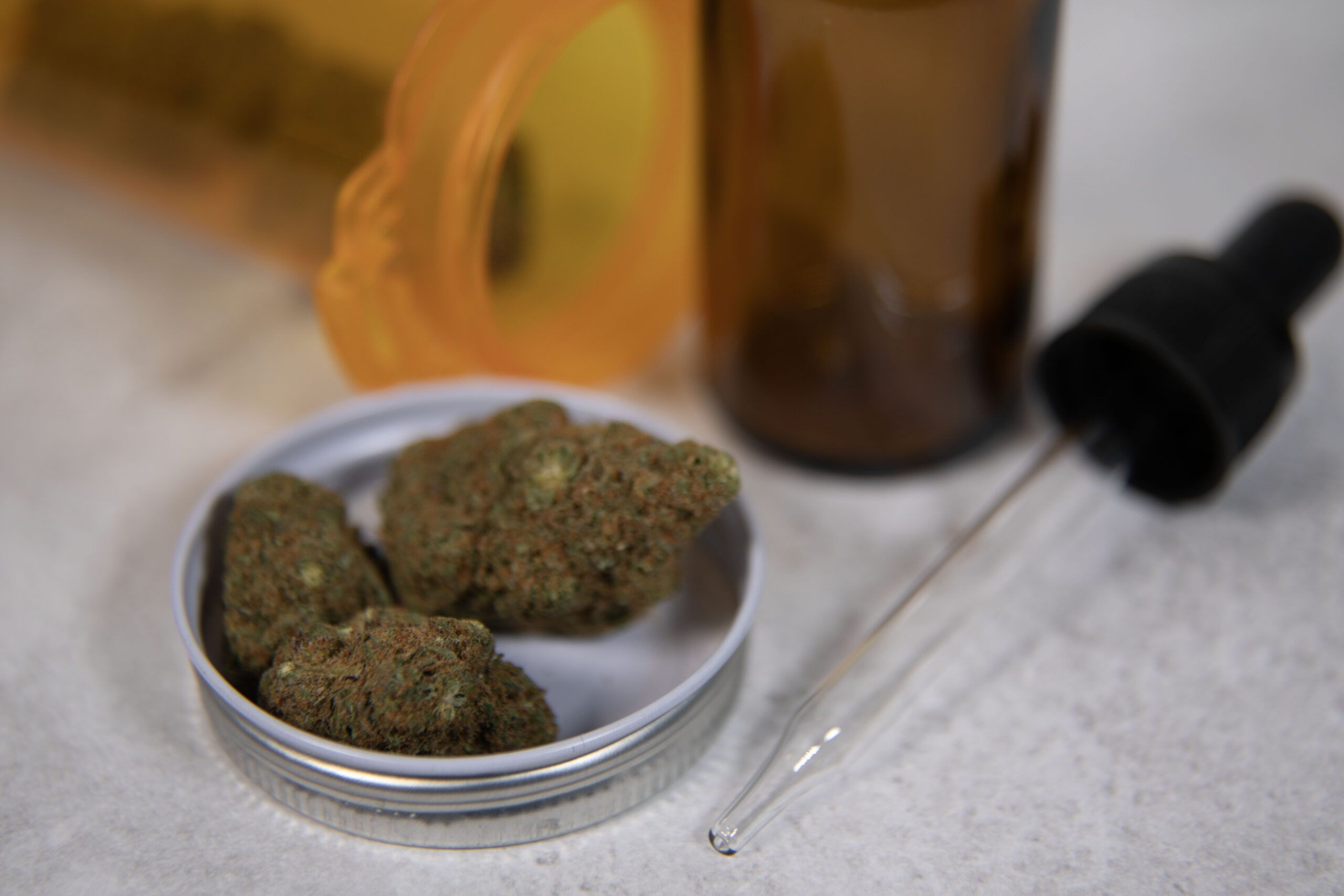
As of February 22, 2021, medical cannabis is legally available in New Jersey, marking a significant shift in the state’s approach to health and wellness. While this change brings new opportunities for patients and the healthcare industry, the road to widespread acceptance of medical cannabis is complex. Here, we explore the factors contributing to hesitations and the growing acceptance of medical cannabis in New Jersey.
Hesitations in Accepting Medical Cannabis
Stigma and Historical Perspective
Historically, cannabis has been stigmatized due to its classification as an illegal substance and its association with recreational use. This stigma persists even as the legal framework changes, influencing public perception and acceptance. Older generations, in particular, may have entrenched views on cannabis, seeing it more as a drug rather than a therapeutic product.
Regulatory Challenges
The transition from prohibition to legalization involves intricate regulatory frameworks. For medical cannabis to gain broader acceptance, New Jersey has had to establish comprehensive regulations concerning cultivation, distribution, prescription, and use. Navigating these regulations can be daunting for healthcare providers and patients alike, slowing down the acceptance process.
Healthcare Provider Skepticism
Some healthcare providers remain skeptical about prescribing cannabis due to the lack of extensive, standardized clinical trials compared to traditional pharmaceuticals. The variability in cannabis strains and their effects can also make it difficult for medical professionals to guarantee consistent results, leading to hesitation in recommending it as a treatment option.
Insurance and Cost Issues
Another significant hurdle is the lack of insurance coverage for medical cannabis. Patients often have to pay out of pocket, which can be a barrier to accessing treatment. The cost factor can discourage both patients and healthcare providers from considering medical cannabis as a viable option.
Growing Acceptance of Medical Cannabis
Despite these challenges, the acceptance of medical cannabis in New Jersey is gradually increasing due to several factors:
Educational Efforts and Awareness
Increasing educational outreach about the benefits of medical cannabis is shifting public perception. Educational seminars, workshops, and informational resources provided by healthcare institutions and advocacy groups are instrumental in demystifying cannabis and highlighting its therapeutic benefits.
Patient Advocacy
Patient success stories and advocacy play a crucial role in acceptance. As more patients share their positive experiences with medical cannabis, others are encouraged to consider it as an alternative to traditional treatments. This patient-led push is crucial in normalizing medical cannabis use.
Legislative Support
The state government’s support for medical cannabis through legislation reflects and fosters broader acceptance. Legalization itself sends a signal that medical cannabis is a legitimate and valuable medical resource.
Integration into Holistic Health Practices
Medical cannabis is increasingly being viewed as part of a holistic approach to health, especially in managing chronic pain, anxiety, and other conditions that do not respond well to conventional medicine. This integration is helping to improve its acceptance among both patients and health practitioners.
Conclusion
The journey towards the acceptance of medical cannabis in New Jersey is ongoing. While challenges related to historical perceptions, regulatory complexities, and cost remain, the landscape is gradually changing. Educational efforts, patient advocacy, and legislative support are paving the way for medical cannabis to be recognized as a valid and effective treatment option. As more people experience its benefits and share their stories, medical cannabis is set to become a more accepted part of New Jersey’s healthcare toolkit.